Do Not Hide Water Exposure
Explain how high the water reached, when the damage occurred and whether the engine or electronics were operated afterward. Send photos of the interior, dashboard, engine area and visible water line.
Describe Storm Damage Separately
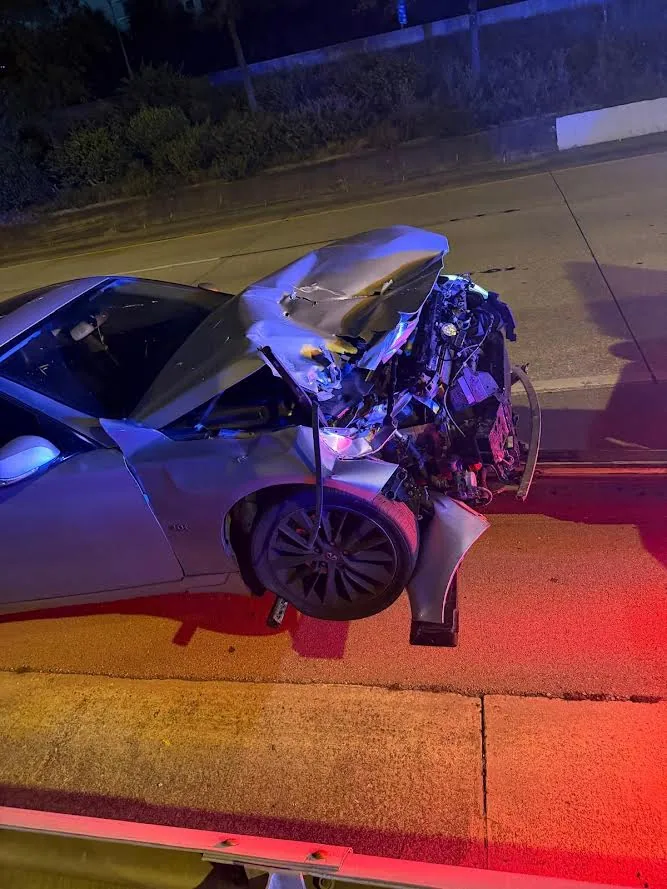
List broken glass, fallen-object damage, missing panels and tire or suspension problems. Do not assume the car can be started safely after flooding or major impact.
Check the Ground
Tell the buyer whether the vehicle is on pavement, gravel, grass or mud. Saturated ground and narrow rural access can change the equipment and timing required.
Remove Personal and Hazardous Items
Take out personal property and identify loose batteries, fuel containers or sharp debris near the vehicle. Keep people away from unstable trees, power lines or unsafe structures.
Document Water and Storm Damage Honestly
Tell the buyer how high the water reached, how long the vehicle was exposed and whether anyone attempted to start it afterward. Mention electrical problems, mold, standing water, missing panels and storm debris. Photos of the interior, engine compartment, wheels and surrounding ground help evaluate condition and access without hiding safety concerns.
Plan Access on Rural or Soft Ground
Explain whether the vehicle sits on pavement, gravel, grass or mud and whether the wheels roll and steering unlocks. Keep people away from unstable vehicles and let the towing professional choose safe attachment points. Visit our Homestead junk car service page for local options or call 305-457-0817 with the year, model, condition and pickup location.